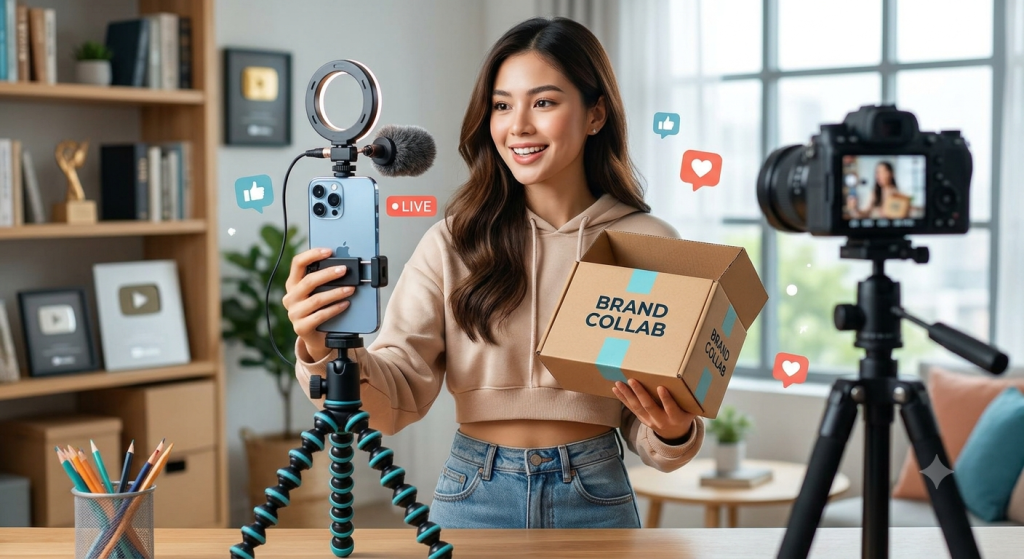
Have you ever purchased a product after watching your favourite Instagram creator recommend it? Or discovered a new brand through a YouTube video? If yes, you have already experienced the power of influencer marketing.
Today, people don’t just depend on traditional advertisements when making purchasing decisions. They also trust recommendations from content creators, industry experts, and social media personalities they follow. This is where influencer marketing plays an important role.
Influencer marketing in digital marketing is one of the most effective ways for brands to connect with their target audience, build trust, increase brand awareness, and promote products or services online.
In this guide, we will understand what influencer marketing is, how it works, its different types, benefits, and strategies businesses can use to achieve better marketing results.
What Is Influencer Marketing in Digital Marketing?
Influencer marketing is a digital marketing strategy in which businesses collaborate with social media influencers or content creators to promote their products, services, or brands.
These influencers have an established audience on platforms like Instagram, YouTube, Facebook, and TikTok. Their followers often value their opinions, recommendations, and content.
For example, imagine a skincare company launching a new face wash. Instead of spending its entire marketing budget on traditional advertisements, the company partners with a beauty influencer who creates a video demonstrating the product and shares their experience with followers.
This helps the brand reach people who are already interested in skincare products.
The main purpose of influencer marketing is not just to sell products but also to build relationships with potential customers through trusted voices.
How Does Influencer Marketing Work?
Influencer marketing works through collaboration between a brand and a content creator. Both parties work together to promote a product or service to a relevant audience.
Here is how the process usually works:
1. Set Your Marketing Goals
Before starting an influencer campaign, a business should understand what it wants to achieve. Goals may include increasing brand awareness, generating website traffic, improving engagement, or increasing sales.
2. Find the Right Influencer
Choosing the right influencer is more important than choosing someone with millions of followers. Businesses should look at audience interests, engagement rates, content quality, and credibility.
3. Create a Marketing Campaign
After selecting an influencer, the brand discusses the campaign requirements. This may include product reviews, sponsored posts, Instagram Reels, YouTube videos, or promotional stories.
4. Publish the Content
The influencer creates and publishes content on their social media platforms. The content should feel natural and relevant to their audience while communicating the brand’s message.
5. Track the Results
Finally, businesses measure campaign performance using metrics such as reach, impressions, engagement, website clicks, leads, and conversions.
This helps companies understand whether their influencer marketing strategy is delivering the expected results.
Types of Influencer Marketing
Influencers are generally classified according to their follower count, audience size, and influence.
Here are the four major types of influencers:
1. Nano Influencers
Nano influencers usually have between 1,000 and 10,000 followers. They often have close relationships with their audiences and focus on specific topics.
They are useful for small businesses that want to connect with a highly targeted audience.
2. Micro Influencers
Micro influencers generally have between 10,000 and 100,000 followers. They usually create content around particular niches such as fashion, fitness, beauty, technology, or travel.
Many brands prefer working with micro influencers because they can offer a good balance of audience reach and engagement.
3. Macro Influencers
Macro influencers generally have between 100,000 and 1 million followers. They have a larger audience and can help brands reach more people.
These influencers are suitable for businesses looking to increase brand visibility and promote products on a larger scale.
4. Mega Influencers
Mega influencers have more than 1 million followers. They may include celebrities, famous personalities, and highly popular content creators.
Brands often collaborate with mega influencers for large-scale campaigns and mass brand awareness.
Note: Follower-count categories can vary across industries and marketing platforms.
Benefits of Influencer Marketing for Businesses
Influencer marketing offers several advantages to businesses, especially in today’s competitive digital environment.
1. Increases Brand Awareness
Influencers help businesses introduce their products and services to new audiences. When a creator shares branded content, their followers become aware of the business.
This can help brands reach potential customers who may not have discovered them through traditional advertising.
2. Builds Trust and Credibility
People often connect with influencers because of their knowledge, personality, or relatable content.
When an influencer genuinely recommends a product, it can help customers feel more confident about exploring that brand. However, sponsored content should always be transparent and honest.
3. Improves Social Media Engagement
Influencer-generated content can encourage people to like, comment, share, and discuss a brand.
Higher engagement can create more opportunities for businesses to interact with their target audience.
4. Reaches a Targeted Audience
One of the biggest advantages of influencer marketing is audience targeting.
For example, a fitness brand can collaborate with fitness creators, while a fashion business can work with fashion influencers. This helps brands communicate with people who are already interested in their products.
5. Supports Lead Generation and Sales
Influencers can use discount codes, affiliate links, product demonstrations, and special offers to encourage their followers to take action.
These methods help businesses track customer interest and measure sales generated through influencer campaigns.
Popular Influencer Marketing Platforms
Different social media platforms offer different opportunities for influencer marketing.
Instagram: Instagram is popular for fashion, beauty, lifestyle, food, and fitness promotions. Influencers use Reels, Stories, and posts to connect with their audiences.
YouTube: YouTube is useful for detailed product reviews, tutorials, unboxing videos, and educational content. It allows influencers to explain products in greater detail.
Facebook: Facebook helps brands reach different audience groups through videos, posts, communities, and influencer collaborations.
TikTok: TikTok is popular for short-form videos, entertainment, trends, and creative product promotions. Its availability and features vary by market.
LinkedIn: LinkedIn is particularly useful for B2B influencer marketing. Industry professionals, business leaders, and subject experts can help companies build professional credibility.
Influencer Marketing Strategies for Better Results
A successful influencer marketing campaign requires proper planning. Here are some practical strategies businesses should follow:
- Choose relevant influencers: Work with creators whose audience matches your target customers.
- Focus on engagement: Don’t judge influencers only by their follower count. Check genuine comments, audience interactions, and content quality.
- Allow creative freedom: Give influencers the campaign guidelines but allow them to communicate in their natural style.
- Use multiple content formats: Experiment with Reels, Stories, YouTube videos, reviews, and live sessions.
- Track campaign performance: Monitor engagement, reach, clicks, leads, and conversions.
- Build long-term relationships: Regular collaborations can create stronger brand associations than one-time promotions.
Influencer Marketing vs Traditional Marketing
Traditional marketing mainly uses television, newspapers, radio, and conventional advertisements to reach customers.
Influencer marketing uses content creators and social media platforms to communicate with specific audiences.
The major difference is the way brands connect with consumers. Traditional advertising often delivers a direct promotional message, while influencer marketing can introduce products through personal experiences, demonstrations, and recommendations.
Both approaches can be useful. The right choice depends on the business objectives, audience, and marketing budget.
Conclusion
Influencer marketing has become an important part of digital marketing because it helps businesses connect with people through content creators they already follow.
From small businesses to established brands, companies can use influencer collaborations to increase brand awareness, improve engagement, build credibility, and support sales.
However, success doesn’t depend on choosing the influencer with the highest number of followers. It depends on finding the right creator, understanding the target audience, creating authentic content, and measuring campaign performance.
As social media continues to evolve, influencer marketing will remain an important strategy for businesses looking to build meaningful relationships with their customers.
Check out our blog about Will AI Replace Jobs ?
Reference
Library of Congress – Influencer Marketing
Interactive Advertising Bureau (IAB)
Government of India – Influencer Endorsement Guidelines





0 Comments